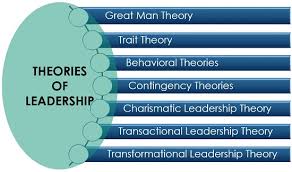
A leader is someone who exerts influence over other people. Being a leader can be an important part of being manager so, again, there is numbers of theories that a leader can learn in order to make them more successful (Huczynski, 2007).
Trait theories argue that good leader have certain natural attribute or qualities that allow them to lead such as a cheerful personality, or fairness. Leader are therefor born not made. Trait theories have been largely discredited, (Galton, 1869).
Style theories argue that certain leadership approaches or style can be learnt and used by a manager, depending on the situation, (Lewin, 1930).
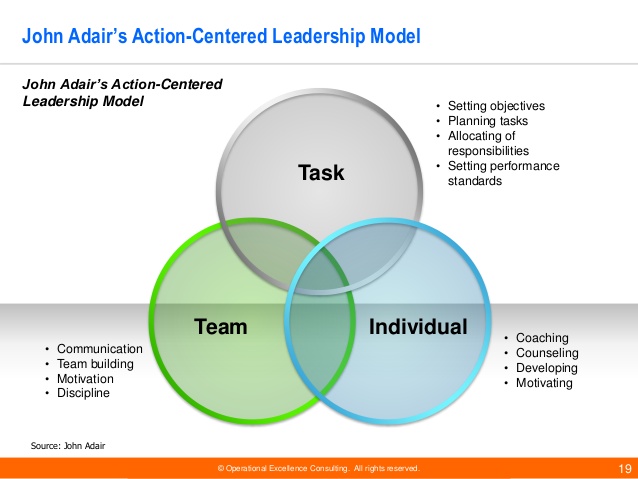
Contingency theories suggest that there is no correct style, or approach. instead, successful leadership involves adapting to the Particular circumstance in which the leaders find themselves, (Adair, 1960).
My leadership brand
After my study of the leadership course and some researches I have done, I am very attracted to the Bennis (1985) transformational leadership style. Transformational leaders see their role as inspiring and motivating others to work at level beyond compliance. Only transformational leadership is said to be able to change team/organizational cultures and move them in a new way. I was reading about Toyota founder and other successful leaders story including Mahatma Gandhi, the one common thing they all have, is change, they all were not happy with the situation they were in, then they decided to change. Again this is all about transformation.
Kingsmill, (1913) argue that leadership is not about leader, rather is about building the confidence of other.
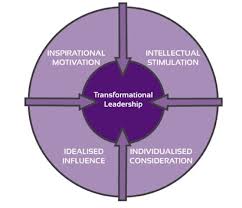
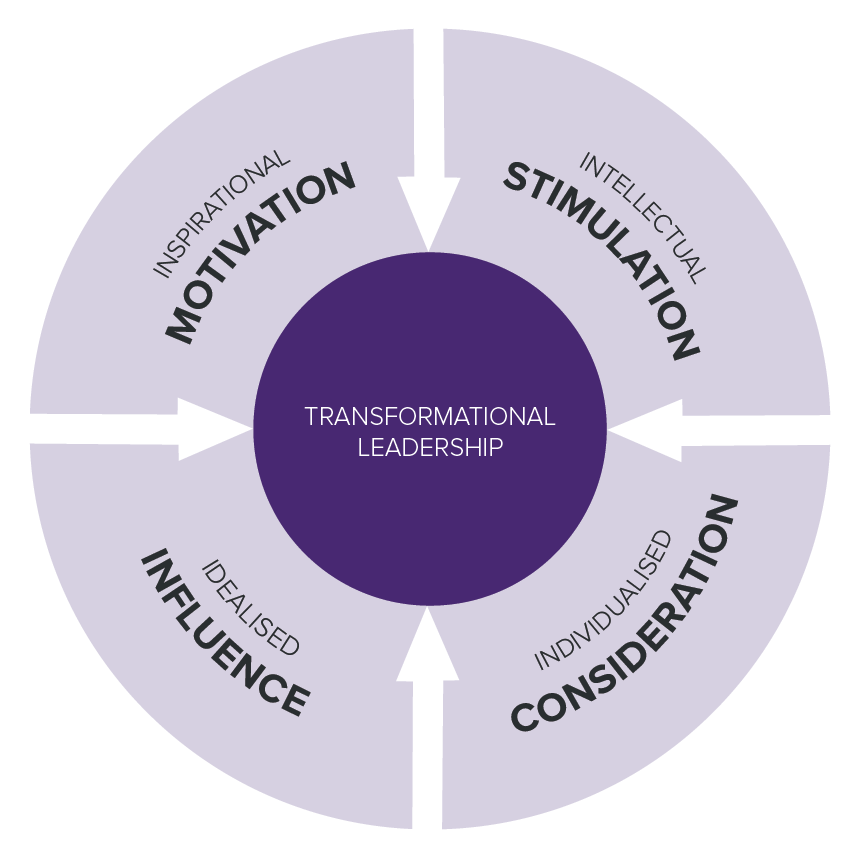
According to Burns (1978) transformational leadership comprise of three basic components:
- Idealized influence, the charisma of the leader, and the respect and of the followers
- Inspirational motivation, the leader action, meaningful and challengeable to the work of the followers
- Individualized consideration, leaders who listen and are concerned to the growth and development needs of the followers.
Transformational leader is the true meaning of leader.
the relevance of my leadership brand to my chosen career
As a leader I have always believed in (Lewin, 1930) persuasive leadership style, is the best approach to lead, (I take the decision and persuade other that the decision is correct). As a student I never liked to be a leader personally but I am someone who speaks when something I believe it’s wrong, or unjust, thus unknowingly making me a leader in most situation. I have completed my bachelor degree in 2017, although I was very good at my course, achieved high marks, but I wasn’t confident enough to go and start my business. Then I decided to pursue my master, in the program luckily I found the leadership course, I didn’t see its relevant in the beginning until few weeks later while studying some cases about leadership failure, then I knew even if am good at my job, without effective leadership skills I can persuade no one to follow me or get any job done effectively. Out of all the leadership theories I read, the transformational leadership, (Burns, 1978) seems to be more relevant to my career. This is because I always want to improve myself and everyone around me. Thus transformational leadership is more suitable to my personality.
My feedback as a leader
After listening lot from my fellow and other I worked with with for a long and short period, there are few obvious things they all highlighted about me, from which I always take decision that concerning me and others without counselling them, or just try to persuade them that is the best to do. The other thing I hear more often is said I am someone who like to take control of the people around or working together. Both these behaviors may not let me be the transformational leader that I would like to be, but trying harder to overcome them in the future.
The good thing my fellow highlighted about me, is I am a leader who speaks not only for himself but concerned about others issue as well, always speaking when something wrong, not being quit and ignore it. The other thing they highlighted is am a leader who understand others weakness and help them work through rather than criticized them.
My development plan
All these above feedbacks are my reflections and area to work on. As we can see getting constantly honest feedback from my fellow is the best tools to improve myself. There are some behaviors which is linked to my culture and personality which are very hard to overcome, (Hofstede, 1980). Then again getting advices from people I admire and trust, learning from the leadership theories and attending some guess lectures are crucial to overcome my weakness and improve my strength.
Overall I am very satisfied and grateful to this leadership journey I went through in the last few months, and hope all these lecture and the group activities will enhance and contribute to my future.
Reference:
Adair, j. (2019). John Adair – Leadership & Management. [online] Johnadair.co.uk. Available at: http://www.johnadair.co.uk/ [Accessed 3 Apr. 2019].
Burns, j. (2019). Transformational Leadership Theory – Meaning, Criticisms and its Implications. [online] Managementstudyguide.com. Available at: https://managementstudyguide.com/transformational-leadership.htm [Accessed 3 Apr. 2019].
choy, A. (2008). The Leadership Quarterly Yearly Review 2008. The Leadership Quarterly, 19(6), p.634.
Hofstede, G. (2011). Dimensionalizing Cultures: The Hofstede Model in Context. Online Readings in Psychology and Culture, 2(1).
Kotter, J. (1988). The leadership factor. New York: Free Press.
Lewin, K. (2019). Leadership StylesChoosing the Right Approach for the Situation. [online] Mindtools.com. Available at: https://www.mindtools.com/pages/article/newLDR_84.htm [Accessed 3 Apr. 2019].
Mullins, L. and youssouf, A. (n.d.). Management and organisational behaviour. 11th ed. London: Pearson, pp.326-266.

 Adam abadjido